

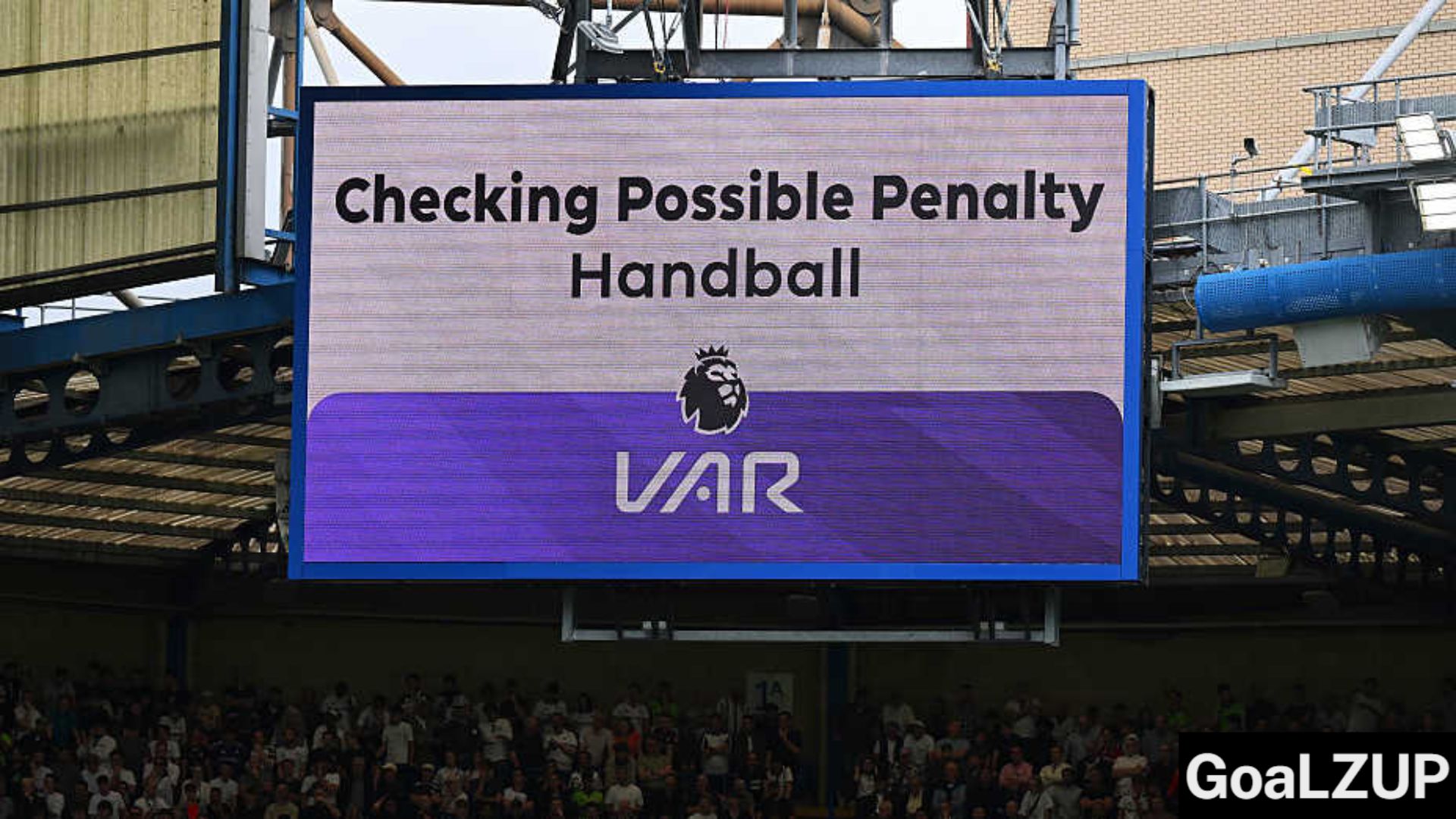
The 2026 World Cup is just around the corner. Every football fan on the planet is getting ready for the biggest show on earth. This tournament will be massive. We are talking about 48 teams and 104 matches across three giant countries.
However, the real talk of the town is not just the players. It is the technology. FIFA is ready to drop some of the biggest changes we have ever seen in the game. You might think you know how video review works from the var rules premier league uses every weekend. Think again.
The VAR Rules Explained WC 2026 guide is here to show you that the future of football is already here.
The Meaning of the Machine: What is VAR anyway?
First of all, let us get the basics down for anyone who has been living under a rock. The var meaning in football is quite simple on the surface. It stands for Video Assistant Referee. This system uses a team of officials in a high-tech room to watch the match on dozens of screens. They look for mistakes. Big mistakes. They only step in for “clear and obvious errors” or “serious missed incidents”.
You might ask when was var introduced in football? It has been around for a few years now, but it is always evolving. At that time, people thought it would solve every argument. It did not. Therefore, FIFA is bringing in var new rules to make things sharper for the 2026 showpiece.
The Big 2026 Overhaul: Corners and Second Yellows
This is the news you have been waiting for. For the first time ever, officials will use var technology to check corner-kick awards and second yellow cards. This is a massive shift. In the past, if a referee gave a corner that should have been a goal kick, you just had to deal with it. Not anymore. If a goal comes from a wrongly awarded corner, the var goal meaning changes because the whole play might get wiped out.
The second yellow card rule is even bigger. A second booking means a red card. It changes the whole match. FIFA realizes that an unjust dismissal can tilt the entire game, especially in the knockout rounds. Now, the officials in the Video Operation Room (VOR) can look at the footage and tell the referee if they got it wrong. Factual evidence is the key here. The officials will only intervene if there is “clear factual evidence” that the card was a mistake.
Artificial Intelligence and the Offside Trap
The var rules for offside are getting a futuristic upgrade. Forget about those shaky lines drawn on the screen. FIFA plans to create artificial intelligence-supported three-dimensional images for every single player. This is Semi-Automated Offside Technology on steroids.
The process is intense. FIFA will perform a digital scan of all 1,248 players from the 48 participating teams. Each player enters a special scanning room for just one second before the tournament starts. This scan captures precise dimensions of their body parts.
When a tight offside call happens, the AI uses these “avatars” to track rapid movements. The final decision will look like a realistic animation for the fans on TV. It is meant to be faster. It is meant to be more accurate. Accuracy is more important than speed, but everyone wants both.
The Goalkeeper Clock: No More Time Wasting
We have all seen it. A goalkeeper holds the ball for ages to kill time. The old rules said six seconds, but nobody ever counted. The var new rules for 2026 are much stricter. Goalkeepers now have exactly eight seconds to release the ball.
The referee will actually count down the last five seconds with their fingers in the air so everyone can see. If the keeper holds it too long, the other team gets a corner kick. This is a huge change from the old indirect free kick rule. A corner kick is much more dangerous. It is a real deterrent. Plus, it is easier for the referee to manage.
Only the Captain: Cleaning Up the Chaos
The sight of ten players surrounding a referee is ugly. FIFA has had enough. In 2026, they are encouraging the “Only the Captain” guideline. This means only the team leader can approach the referee to discuss a major decision.
The captain has a job to do. They must keep their teammates away. If any other player mobs the referee, they will get a yellow card immediately. If the captain is the goalkeeper, the team must nominate an outfield player to be the one who talks to the ref.
This rule aims to improve the image of the game and show respect. It should make the var check meaning clearer because the referee can explain things to one person instead of a shouting crowd.
The People in Charge: The 2026 Referee List
The officials are the ones who have to make this all work. The FIFA Referees List for 2026 is already out. A lot of familar faces from the UK are on it. You will see names like Stuart Attwell, Michael Oliver, and Anthony Taylor.
These officials are not just on the pitch. Some are specialists in the VAR room. For example, Sian Massey-Ellis and Peter Bankes are named as Video Match Officials. These people have a huge responsibility. They must handle the pressure of millions of eyes while looking at 3D avatars and AI data.
The Tech Specs: Field and Ball Rules
The game is not just about the cameras. The physical gear has to be perfect too. Law 1 and Law 2 of the game are very specific. For international matches like the World Cup, the touchline must be between 100 and 110 meters. The goal line must be between 64 and 75 meters.
The ball itself is a piece of high-tech equipment. It must weigh between 410 and 450 grams at the start of the match. It has to be a specific pressure, between 0.6 and 1.1 atmospheres. At the World Cup, every ball must carry the “FIFA Quality Pro” mark. This ensures it works perfectly with the goal-line technology and the tracking sensors inside.
Pros and Cons: Is Technology Ruining the Flow?
There is always a debate. Some people love the accuracy. Others hate the delays. The expanded VAR roles for 2026 bring both.
The Good Stuff:
- Better Accuracy: Getting corners and red cards right is huge for fairness.
- Fewer Errors: Big mistakes in knockout games can be fixed.
- Player Accountability: Players might stop diving or acting out if they know the cameras are watching everything.
- Fairness: The AI avatars make offside calls factual instead of a guess.
The Bad Stuff:
- More Stoppages: Checking every corner could lead to a lot of dead time.
- Loss of Rhythm: Players and fans might lose their excitement during a long var check meaning session.
- Subjectivity: Even with video, a second yellow card is often a matter of opinion.
- Confusion: If play continues while a check is happening, a player could score a goal only to be sent off moments later for something that happened earlier.
Football Video Support: The “VAR Light”
FIFA is also testing a new system called Football Video Support (FVS). This is not for the World Cup itself, but it is part of the new wave of var technology. FVS is “cost-effective” and uses fewer cameras.
In this system, managers actually get to challenge decisions. They get a purple or blue card to signal a challenge. If they are right, they keep their challenge. If they are wrong, they lose it. It is like tennis or cricket. Legendary referee Pierluigi Collina says the early results are encouraging. While this will not replace full VAR at the 2026 World Cup, it shows that FIFA wants technology at every level of the game.
Concussion Subs: Safety First
Player welfare is a top priority now. The laws for 2025/26 allow for additional permanent concussion substitutions. If a player is suspected of having a concussion, they can be taken off and it does not count against the team’s normal five-sub limit.
The opposing team also gets an extra sub at the same time to keep things fair. This is a major step in protecting the brains of our athletes. The referee and medical staff work together to make sure no one stays on the pitch who is at risk.
Frequently Asked Questions
What is the new VAR rule?
The biggest new rules for the 2026 World Cup involve VAR intervening on corner-kick awards and second yellow cards. Previously, these were not reviewable. Now, the video team can fix errors in these crucial match-changing moments.
Is there a time limit on VAR?
No, there is no official time limit for the review process. FIFA emphasizes that accuracy is more important than speed. While they want to keep the game moving, they will take as long as necessary to get the decision right.
Is VAR 100% accurate?
It is not perfect. There is still a small error margin, especially in offside calls. While the new AI avatars and 3D scanning aim to make things as precise as possible, some decisions still involve human interpretation and subjective judgment.
What are the rules for VAR?
The system only looks at four categories: goals, penalties, direct red cards, and mistaken identity. For the 2026 World Cup, this is extended to include corner kicks and second yellow cards. The referee always makes the final decision.
Concluding Words
The 2026 World Cup will be a turning point. We are moving away from a game of human error and into an era of digital precision. You will see AI avatars. You will see referees counting down seconds for goalkeepers. You will see a lot more communication between the pitch and the VOR.
Whether you love it or hate it, the VAR Rules Explained WC 2026 guide shows that the game is never going back. The stakes are too high. A single mistake can cost a nation its dream. FIFA is betting that more technology is the answer.
Get ready for the drama. Get ready for the replays. Get ready for the most high-tech World Cup in history.
